

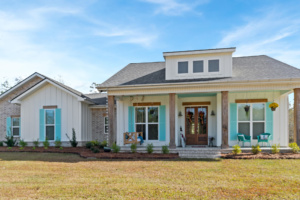
Building a custom home is one of the most exciting and significant investments a family can make. Unlike purchasing a prebuilt home, a custom build offers the opportunity to design every detail to suit your lifestyle, preferences, and long-term goals. With that freedom comes the responsibility of making wise financial decisions. Smart budgeting ensures your vision becomes a reality without unnecessary stress or unexpected financial strain.
Step One: Set Clear Priorities From the Beginning
The foundation of a successful budget begins with clearly defined priorities. Before construction starts, it is important to determine what matters most to you and your family. For some, that may be a spacious kitchen designed for gathering and entertaining. For others, it may be energy efficiency, a dedicated home office, or a thoughtfully designed outdoor living area.
Creating categories such as must haves, preferred upgrades, and flexible features allows you to allocate funds intentionally. This clarity helps prevent emotional decision making during the build and reduces the likelihood of costly changes once construction is underway.
Step Two: Invest in Structural Quality and Long Term Durability
There are certain elements of a home where investment should never be compromised. Structural components such as the foundation, framing, and roofing form the backbone of the entire build. These systems directly impact the safety, durability, and longevity of the home.
In addition, high quality insulation and an efficient HVAC system contribute significantly to long term comfort and lower energy costs. While these investments may not always be visible, they provide lasting value and protect your home for decades.
Step Three: Be Strategic With Cosmetic Selections
Not every decision requires top tier spending at the outset. Certain finishes and decorative details can be upgraded later with less disruption and expense. Lighting fixtures, cabinet hardware, paint selections, and some flooring options offer flexibility for future personalization.
By selecting well made but budget conscious finishes initially, homeowners can maintain financial balance without sacrificing overall quality. This approach allows room for customization over time while staying within the original budget.
Step Four: Work Closely With Your Builder Early
Collaboration with your builder during the planning phase is one of the most effective ways to manage costs. An experienced construction team can provide realistic projections, identify potential areas of overextension, and guide decisions that balance beauty with practicality.
Open and transparent communication helps align expectations, prevent misunderstandings, and minimize mid project adjustments that can increase expenses. Thoughtful planning before construction begins is far more cost effective than revisions during the build.
Step Five: Include a Contingency Reserve
Even with careful planning, unexpected expenses can arise. Material fluctuations, site conditions, or design modifications may impact the final cost. Setting aside five to ten percent of the total build budget as a contingency creates a financial cushion and reduces stress if adjustments are needed.
Planning for the unexpected allows the project to move forward smoothly without compromising important features.
A Balanced Budget Creates a Strong Foundation
Smart budgeting is not about spending as little as possible. It is about investing wisely. When financial decisions are guided by long term value, structural integrity, and intentional design, the result is a home that reflects your vision while standing strong for years to come.
With careful planning and the right team beside you, building your custom home can be both financially sound and deeply rewarding.